
Why First Responders Wait So Long to Get Help, and What Makes It Easier

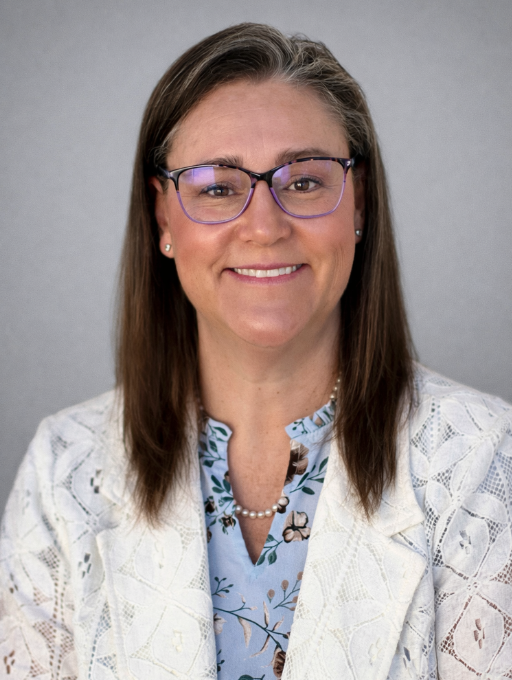
By Michele D. Ogburn, MSW, LCSW, LIMHP | Prairie Sky Counseling, serving Wyoming and Nebraska by telehealth
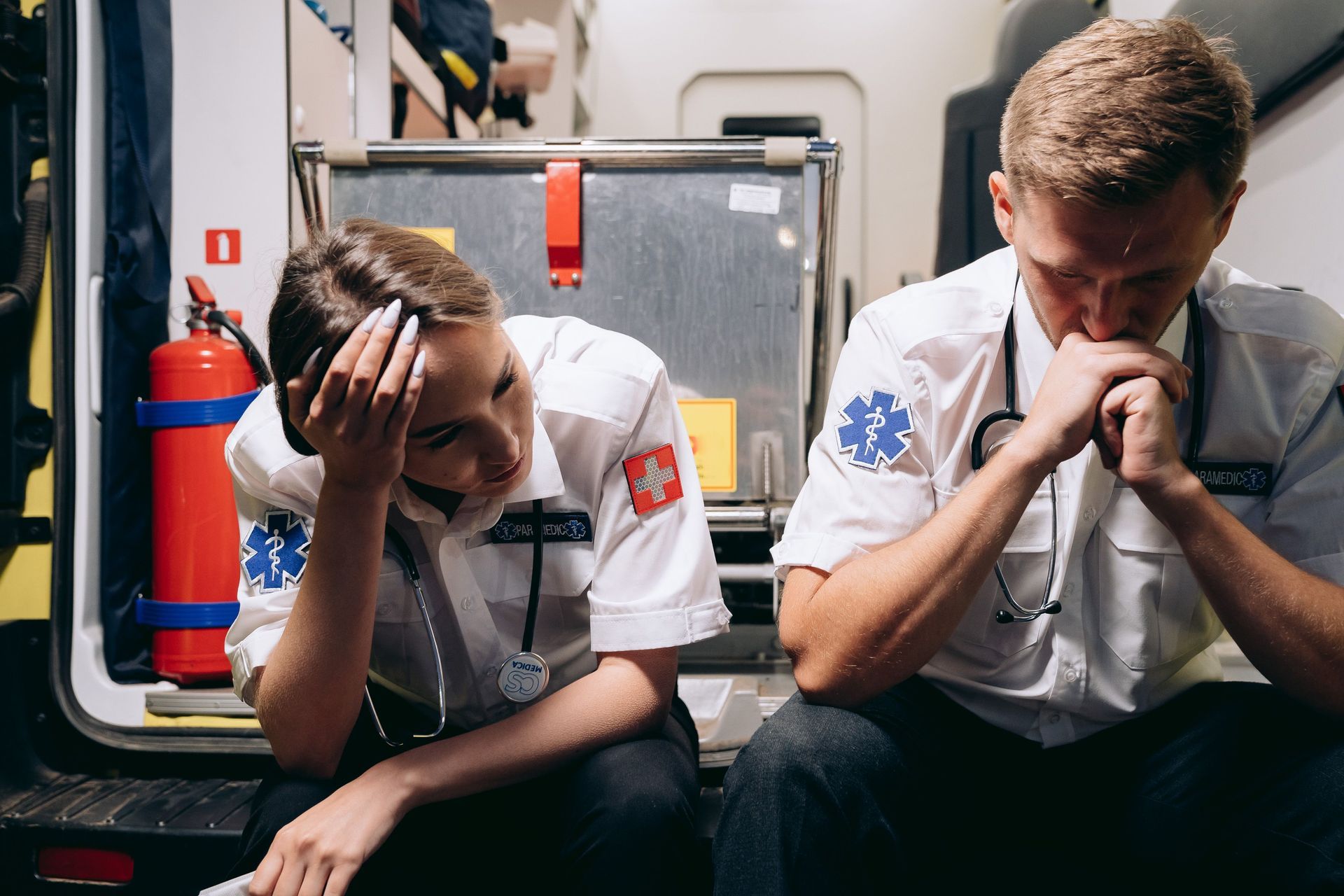
You’ve been the person who showed up on someone else’s worst day. You did the job, filed the report, and went home. Then nobody asked how it landed, or somebody did and you said “I’m fine.”
If that sounds familiar, you’re not unusual. Most first responders I’ve worked with waited years before talking to anyone. The job didn’t break them. The idea of what getting help might cost them kept them quiet.
What the stigma actually looks like
It’s rarely one big thing. It’s a handful of quiet worries that add up:
- “I’ll look weak.” In a culture built on being the steady one, admitting you’re struggling can feel like breaking the rules.
- “It’ll follow me.” Will it affect a promotion, a fitness-for-duty review, a certification, or your right to carry?
- “Everybody will know.” In a small town, people recognize your truck. A parked car outside a counseling office can start a conversation you didn’t want to have.
- “Other people have it worse.” So you keep waiting for a reason that’s big enough.
These worries are practical, not silly. They’re also the reason a lot of good people carry things alone for far too long.
What the job does to people
Repeated exposure to violence, death, and other people’s emergencies has an effect. Across the country, police officers, firefighters, EMS crews, and dispatchers show higher rates of PTSD, depression, sleep problems, and alcohol misuse than the general population. That isn’t a character flaw. It’s what happens when a normal nervous system takes in abnormal amounts of stress.
Dispatchers deserve a special mention. You hear the worst of it and often never see how it ends. That counts.
Here’s what it can look like in daily life:
- Sleeping badly, or waking up already tense
- A shorter fuse at home than you want to have
- Drinking more than you used to, or needing it to wind down
- Replaying certain calls
- Feeling flat, numb, or checked out around your family
- Pulling away from people who care about you
None of that means you can’t do the job. It means you’re carrying a load, and it’s reasonable to want some help carrying it.
Why telehealth takes a lot of the exposure out
Prairie Sky Counseling is a telehealth practice. That matters for privacy in a few practical ways:
- No waiting room and no parking lot. Nobody sees you walk in, and nobody sees your vehicle outside.
- You choose where you’re sitting. Home, a parked car on your break, or any private spot you trust.
- No long drive. In rural Wyoming and Nebraska, getting to a counselor can eat half a day. Sessions by video can fit around your shifts.
- A secure, HIPAA-compliant platform. Sessions run on a platform built to protect health information.
I’m licensed in both Wyoming and Nebraska, so I can work with you in either state.
Why private pay can protect your privacy
When you use insurance, a diagnosis code goes to a third party so the claim can be processed. Plenty of first responders are fine with that. Some aren’t, and that’s a legitimate choice.
With private pay, there is no insurance claim and no diagnosis sent anywhere. Your sessions stay between you and me. You don’t have to explain your reasons to anyone.
If you’d rather use your benefits, I accept several insurance plans, and I can provide a superbill if you want to seek reimbursement from your own insurer. Either way, it’s your call.
What confidentiality does and doesn’t mean
I’d rather be straight with you about this than oversell it. What you tell me stays with me, with a few exceptions the law requires: if someone is in immediate danger, if a child or vulnerable adult is being abused, or if a court orders records. I go over all of it in our first session so there are no surprises.
I also don’t work for your agency. I’m not part of your chain of command, and I’m not there to evaluate you. My job is to help you.
What working with me looks like
I’ve worked in sheriff’s dispatch, in hospitals, in crisis evaluation alongside law enforcement, and in first-responder crisis debriefings. I know this world from the inside, so you won’t spend the first three sessions explaining why a certain call stuck with you.
My approach is practical. I use cognitive behavioral therapy, motivational interviewing, trauma-informed care, and problem-solving methods built around your strengths. I’m not trying to take the weight off your job, because I know that’s not possible. I want to help you carry it differently, so you can stay good at what you do and still have a life at home that’s worth coming home to.
Who I work with
Police officers, deputies, firefighters, EMTs and paramedics, dispatchers, volunteers, and others in high-responsibility helping roles. If you’re the one people count on, this is for you.
Taking the first step
You don’t need to be in crisis, and you don’t need to have the words figured out. Reach out through the contact form on this page to set up a first session. We’ll start with what’s going on and go from there.
If you’re in crisis right now, call or text 988 to reach the Suicide and Crisis Lifeline, any time of day.
Recent Posts